STOP EDITING YOUR LIFE AROUND YOUR HAIR WITH
HAIR RESTORATION
Overview
Many individuals seeking hair restoration want more than hair — they want their confidence back. Today's advanced techniques deliver results that look and feel entirely natural.
At The Plastic Surgery Center, hair restoration is led by Dr. Mark Yazid, a board-certified plastic surgeon who oversees your care from diagnosis through follow-up.
For many patients, treatment begins with medical management of hair loss. If surgery is recommended, Dr. Yazid uses SmartGraft — an automated FUE (follicular unit extraction) system designed to increase precision, maximize follicle viability, minimize scarring, and deliver natural-looking results.
Hair restoration looks different for everyone — from receding hairlines and thinning crowns to sparse brows, patchy beards, and postpartum shedding. Whatever your concern, we'll build a plan around you.
Summary
Why Surgeon-Performed Hair Restoration Matters
Hair restoration is a surgical procedure requiring both technical precision and a refined aesthetic eye. For patients throughout New Jersey, New York, and Pennsylvania, that level of expertise is close to home. More than simply relocating follicles, Dr. Yazid designs hairlines that complement your facial proportions, places each graft at the correct angle, depth, and density, and protects the long-term health of every follicle.
From your first consultation through recovery and follow-up, you're cared for by a surgeon who understands how hair loss progresses and how to plan for results that age naturally with you.
Meet Your Surgeon: Dr. Mark Yazid
The Plastic Surgery Center's hair restoration program is led by Dr. Mark Yazid, a board-certified plastic surgeon and longtime member of The Plastic Surgery Center network. Dr. Yazid performs every step of your procedure personally, from hairline design through graft placement, using SmartGraft automated FUE technology at our River Center location.
The SmartGraft Difference
SmartGraft is a patented, automated FUE system — built and supported in the USA — designed for precise follicle harvesting, gentle handling, and protected transport. Healthier grafts mean better take rates, more natural density, and results that look like they grew there. Because biologically, they did.
What this means for you:
-
Continuous graft hydration. Harvested follicles rest in a closed, temperature-controlled bio-dome that mists and chills them until placement — protected from the moment they're collected.
- Less graft trauma. Follicles travel through chilled tubing directly into the storage solution, reducing the handling each one endures compared to manual FUE.
- A smoother procedure day. An automated workflow and ergonomic handpiece help your surgical team maintain steady pacing — which can mean less fatigue for everyone in the room, including you.
- Repeatable precision. Programmed controls maintain consistent harvest depth and angle across thousands of grafts.
- Smart punch design. Engineered to follow the natural angle of your follicles, preserving density at the donor site.
Technology alone doesn't make a great outcome. Paired with surgical expertise and thoughtful treatment planning, we deliver results that look natural — and last.
Medicine Before Surgery
Many patients benefit from medical treatment before surgery is ever discussed. That’s why Dr. Yazid begins every hair restoration consultation by evaluating your hair loss pattern, donor hair availability, scalp health, and any underlying factors that may be contributing to hair loss.
From there, he'll recommend medical therapy, surgical restoration, or a combination — whichever is right for your stage of hair loss.
- FDA-approved medications such as finasteride or minoxidil
- Low-level light therapy
- Microneedling
- Platelet-rich plasma (PRP) therapy
- For women: testing for thyroid, iron, or hormone imbalances that may contribute to hair loss
Many patients see meaningful improvement before surgery is considered. For those who do move forward with a procedure, continuing a supportive medical regimen helps protect long-term results.
FUE vs. FUT — What's the Difference?
There are two main hair restoration techniques. Here's how they compare.
FUT (Follicular Unit Transplantation) is a traditional hair restoration technique that collects donor hair from a narrow section of the scalp. Those follicles are then carefully separated and transplanted into areas of thinning or hair loss. While FUT can place a large number of grafts in a single session, it leaves a linear scar, which may be visible with shorter hairstyles.
FUE (Follicular Unit Extraction) harvests follicles one at a time from the donor area using a small precision punch. Healing points are tiny and scattered, so there's no linear scar. Most patients can wear short hairstyles, fades, or buzz cuts after healing without anyone noticing.
The Plastic Surgery Center specializes in FUE because it leaves no linear scar, preserves your long-term styling options, and allows for precise, natural-looking placement when paired with SmartGraft technology.
Hair Restoration Treatments
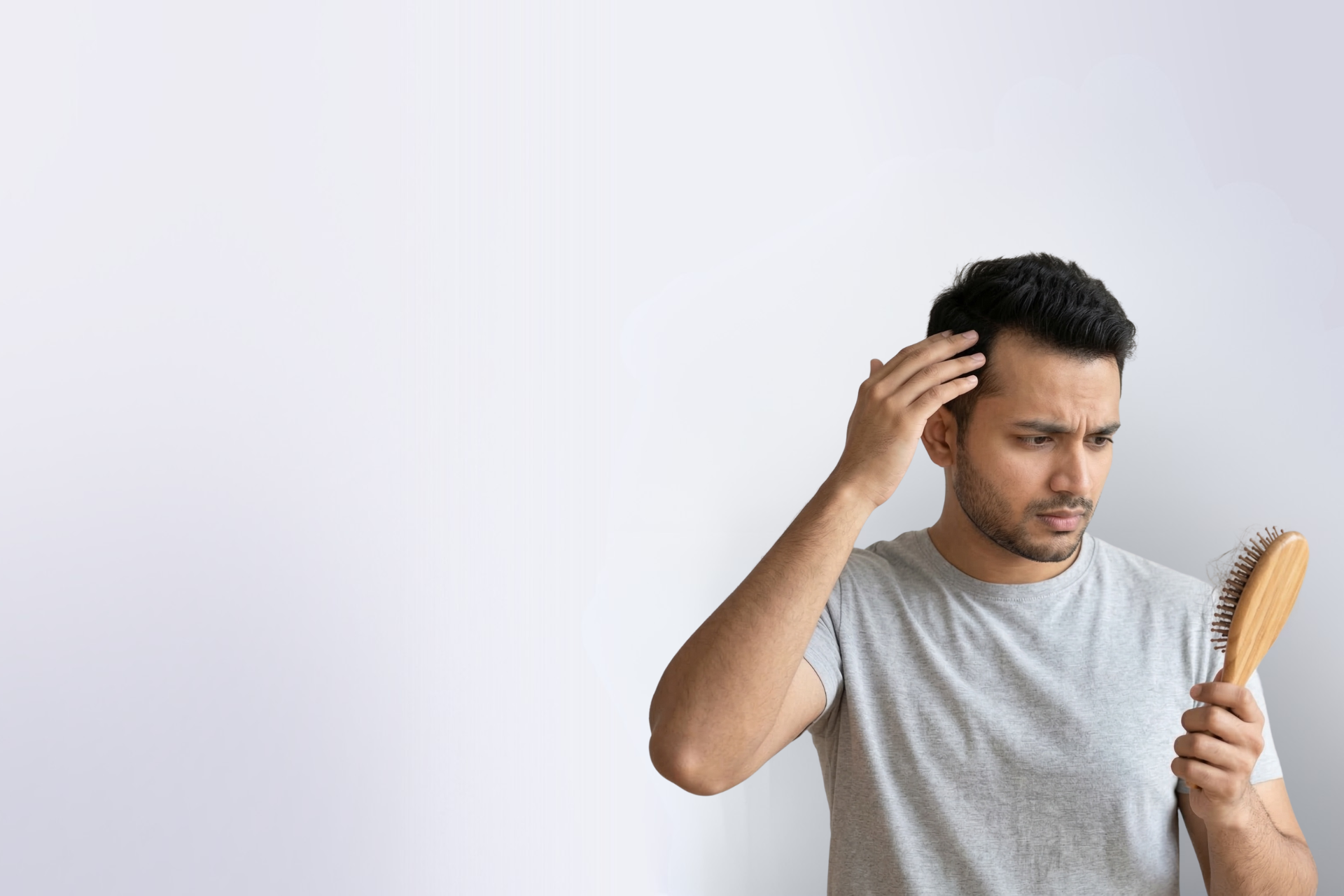
For many patients, hair loss starts gradually: a receding hairline, thinning temples, or reduced hair density at the crown. Over time, those subtle changes can affect hairstyles, photos, confidence, and everyday routines.
Scalp and hairline restoration uses advanced FUE technology to transplant healthy hair follicles into areas of thinning or recession. Because follicles are placed individually and strategically, the result blends naturally with existing hair growth patterns and facial structure.
The follicles we transplant come from a donor zone genetically programmed to keep growing. Once transplanted, those follicles typically grow for life, which is why donor selection, hairline design, and long-term planning are carefully considered before treatment begins.

Hair loss in women often looks and feels different than it does in men. Instead of a receding hairline, women may notice widening parts, thinning, postpartum shedding, or hair loss around the temples from tight hairstyles, hormonal shifts, stress, or aging. Because women's hair loss often develops gradually, many women spend years exploring styling techniques, volumizing products, extensions, and other solutions before considering restoration treatments.
Female hair loss almost always has a medical cause worth investigating. Before discussing surgery, we evaluate:
-
Thyroid function
-
Ferritin and iron levels
-
Hormone levels
-
Current medications and medical history
When surgical restoration is recommended, we focus on natural-looking density, precise follicle placement, and the long-term health of your hair. Every consultation and procedure is handled with privacy, discretion, and a treatment plan tailored to your specific concerns.

Eyebrow restoration rebuilds fuller, more defined brows using transplanted follicles and is ideal for patients whose brows have thinned from over-plucking, aging, genetics, trauma, scarring, or medical conditions like alopecia.
Brows help frame the face and shape facial expression. Restoration procedures require meticulous attention to follicle placement, angle, and growing patterns. Each follicle is harvested from your donor area and placed individually to recreate a brow shape that grows in the right direction.

Beard restoration uses FUE to fill in sparse facial hair and create a fuller, more defined beard shape. Individual follicles are harvested from your donor area and transplanted into targeted zones at the correct angle and density, so new growth blends naturally with your existing hair. Patients pursue beard restoration for a range of reasons — including cosmetic fullness, gender-affirming care, and camouflaging scars from acne, injury, or prior surgery.

Hair restoration may also help mask visible scars in areas where hair growth has been disrupted. This can include scalp scars from prior procedures, injuries, burns, or traction-related hair loss. Using carefully placed follicular grafts, restoration helps soften the appearance of scar tissue and improve hair density in affected areas.

Depending on your stage of hair loss and your goals, supportive therapies can strengthen the hair you have, improve scalp and follicle health, and protect the investment you've made in surgical restoration. Options may include platelet-rich plasma (PRP), exosomes, topical and oral medications, and low-level laser therapy. Your surgeon will recommend the combination that fits your plan.
Am I a Candidate for Hair Restoration?
Strong candidates typically have healthy donor hair available for transplantation and realistic expectations about what hair restoration can achieve.
You may be a candidate if you’re noticing:
-
A receding hairline
-
Thinning at the crown
-
Widening hair parts
-
Patchy beard or eyebrow growth
-
Hair thinning related to repetitive tension, hormones, or genetics
-
Scarring that affects hair growth
-
Ongoing frustration or self-consciousness related to hair loss
Hair restoration may not be ideal if:
-
Your hair loss is still actively progressing
-
You have an active scalp or scarring condition that needs treatment first
-
You currently use nicotine (we ask patients to stop 4-6 weeks around the procedure)
-
You're under 25 with a rapidly evolving hair loss pattern
-
Your goals exceed what your current donor supply can support
In these cases, medical management is often the right starting point — with surgery revisited once the picture is clearer. A consultation can help determine whether surgical restoration, supportive therapy, or a combination makes the most sense for your goals.
Treatment Planning Starts with a Conversation
Hair restoration is personal, and no two treatment plans are exactly alike. During your consultation, Dr. Yazid will evaluate your hair loss pattern, scalp health, donor hair availability, and hair goals to create a customized treatment plan – delivering results that look and feel like you.
A consultation is also an opportunity to discuss your concerns, ask questions, and better understand what to expect throughout the restoration process.
Questions
about this procedure?
What to Expect
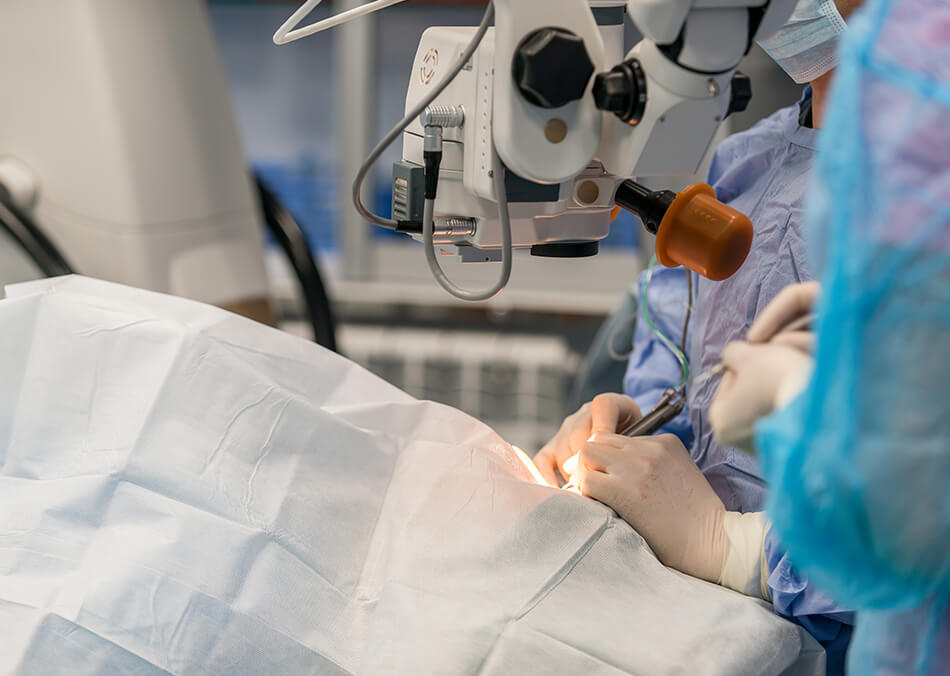
On the day of your procedure, you'll be awake and comfortable under local anesthesia. Using SmartGraft, your surgeon harvests follicles from your donor area, transfers them through chilled tubing into the bio-dome storage canister, and places each one at the angle and depth that match your natural growth. Most procedures take four to eight hours.
For the first two weeks, you'll see small healing points in the donor and treatment areas. Scabs heal within 7-10 days. Most patients return to work within 5-7 days, with strenuous exercise paused for 2-3 weeks.
Around weeks 2-6, the transplanted hairs typically shed. This is expected as the follicle stays in place beneath the surface and enters a resting phase before new hair begins to grow.
At 3-4 months, you'll start to see new hair growth.
At 6-9 months, density continues to build, and the hairline starts to look fuller and more natural.
Throughout your first 18 months, you'll have scheduled follow-ups with your surgeon — typically Day 1, Week 1, and Months 1, 3, 6, 12, and 18 — so your recovery and results are tracked and supported every step of the way.
Recovery &
Results
Most patients describe recovery as easier than expected. Mild swelling, tenderness, or redness in the donor and treatment areas is normal in the first few days. Downtime is generally minimal, and most people are back to work and normal routines within 5–7 days, with a few temporary restrictions on strenuous activity, swimming, sun exposure, and certain hair products.
Your care team will give you detailed instructions on washing, sleeping position, and what to avoid in the first two weeks. Following them closely protects your grafts during the most important recovery window.
Results form gradually, and transplanted hairs shed before they regrow. This shedding phase is a normal part of the hair growth cycle and an expected stage of recovery. New growth typically appears around three to four months, with fuller density and refined hairline transitions continuing through the first year.
Financing & Insurance
Hair restoration is typically considered an elective cosmetic procedure. Insurance coverage may vary depending on the treatment and underlying condition being addressed.
Our team will discuss pricing, financing options, and available payment plans during your consultation to help you better understand your treatment investment.
Contact our support staff at 833-615-2621 for more information.
Our Process
During your consultation, Dr. Yazid will listen, evaluate your hair loss pattern and donor availability, and help you fully understand what's possible.
Your Options
Next, he’ll review your treatment options (surgical, non-surgical, or a combination) and identify next steps that fit your goals.
Our team will guide you through every step of the process, answer your questions, and support you through recovery and long-term results.
Hair Restoration Near New Jersey
First Floor, STE 200 Red Bank, NJ 07701
Frequently Asked Questions
FUT and FUE are both hair restoration techniques that use transplanted hair follicles to restore density in areas of hair loss. The primary difference is how donor hair is obtained. FUT leaves a linear scar in the donor area, while FUE harvests follicles individually, avoiding a linear scar and allowing for greater flexibility with hairstyles. The Plastic Surgery Center performs FUE exclusively.
Most procedures take 4-8 hours, depending on graft count and treatment area. You're awake under local anesthesia the entire time.
Most patients return to work and normal routines within 5-7 days. Strenuous exercise, swimming, sun exposure, and certain hair products are limited for 2-3 weeks.
Transplanted hairs shed in the first few weeks, which is an expected part of healing. New growth typically appears around 3-4 months, with fuller density and natural-looking hairline transitions continuing to develop through 9-12 months.
The follicles transplanted during FUE come from a donor zone on your scalp that's genetically resistant to hair loss. Those follicles typically continue to grow for life. Hair in non-treated areas can still thin over time, which is why long-term planning is part of every consultation.
Yes. Hair loss patterns, underlying causes, and density goals are often different for women, and we treat women's hair restoration as a distinct service rather than a variation of the men's protocol. We also evaluate underlying medical factors — thyroid, iron, hormones — as a standard part of every women's hair restoration consultation.
Many patients start with medical therapy, not surgery. Dr. Yazid will evaluate whether FDA-approved medications, low-level light therapy, microneedling, PRP, or a combination is the right starting point for you. For some patients, medical management is the entire plan; for others, it sets the foundation for a better long-term surgical result. The decision is made together, after a full evaluation.
Pricing depends on the number of grafts and the treatment area. We review pricing, financing, and payment plan options during your consultation.
Hair restoration is a long-term result, and your follow-up reflects that. Most patients see Dr. Yazid on Day 1 and Week 1, then again at Months 1, 3, 6, 12, and 18 — with photo documentation at each visit so progress is tracked the same way every time. Because your care is local to New Jersey, those follow-ups are easy to keep.
Your graft count will be determined by your hair loss pattern, donor supply, and goals. Dr. Yazid will walk you through a specific plan during your consultation.
Yes. Supportive therapies such as PRP, exosomes, low-level laser therapy, and prescription medications can be used alongside or independent of surgical restoration, depending on your needs.
No. The Plastic Surgery Center performs surgeon-led FUE hair restoration in New Jersey, so most patients in the NJ / NY / PA region can be seen close to home.
A more confident reflection is waiting.
If hair loss is weighing on your confidence, it may be time to explore your options. Patients across New Jersey, New York, and Pennsylvania no longer need to travel into New York City for expert care. Surgeon-performed hair restoration at The Plastic Surgery Center delivers natural-looking results that look and feel like you.