Restorative Tattooing
The Final, Personal Step in Reconstruction
- 3D nipple and areola restoration after mastectomy or breast reconstruction
- Scar camouflage for surgical, trauma, and self-harm scars
- Pigment restoration for vitiligo and other skin-color irregularities
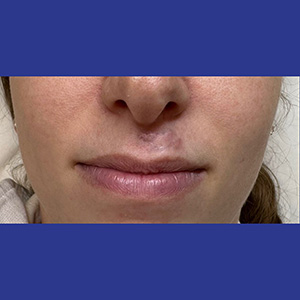
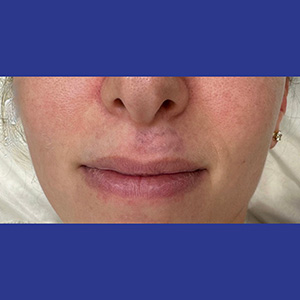
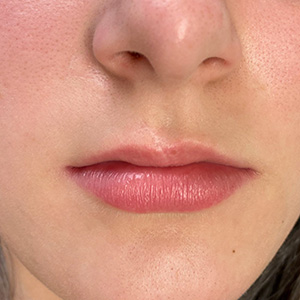
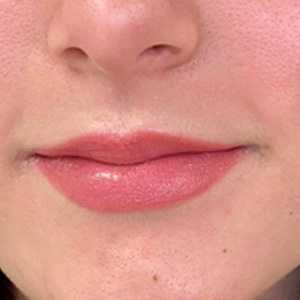
- Restorative lip work, including cleft lip restoration
Restorative tattooing is the artistry that finishes the work reconstructive surgery starts. At The Plastic Surgery Center, we've brought this specialty in-house through our work with Marnie Rustemeyer, a board-certified restorative tattoo artist who restores color, contour, and camouflage for patients ready to decide how they want to see themselves.
Whether you're completing breast reconstruction, softening the appearance of a surgical or trauma scar, or restoring pigment lost to a skin condition, this is the step where the medical journey ends and yours continues.
Where Surgery Ends, Restoration Begins
Most restorative work is completed across two sessions — an initial appointment and a touch-up approximately six to eight weeks later — to allow the pigment to settle before final refinement.
Summary
depending on the area
no sedation required
Our Restorative Tattooing Services
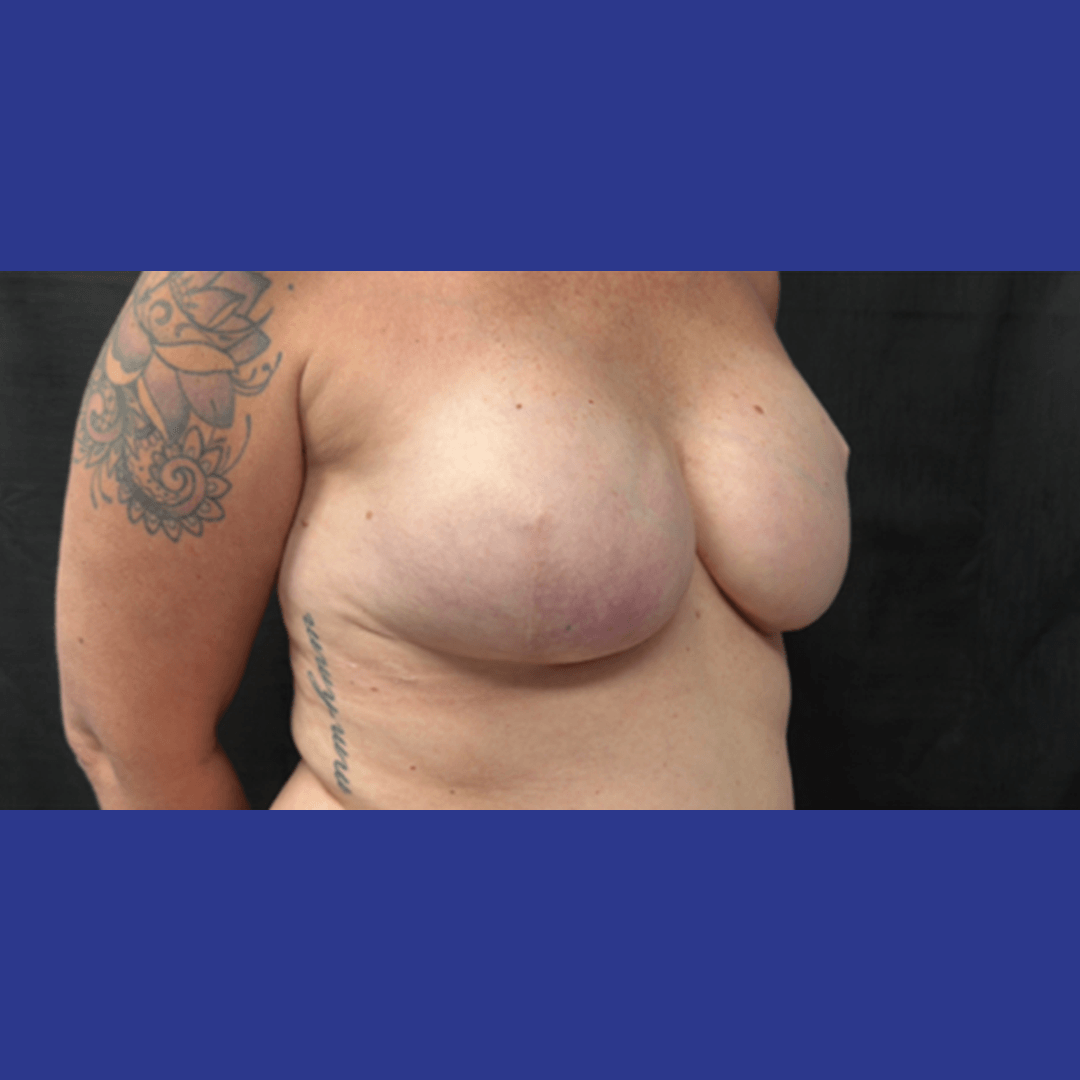
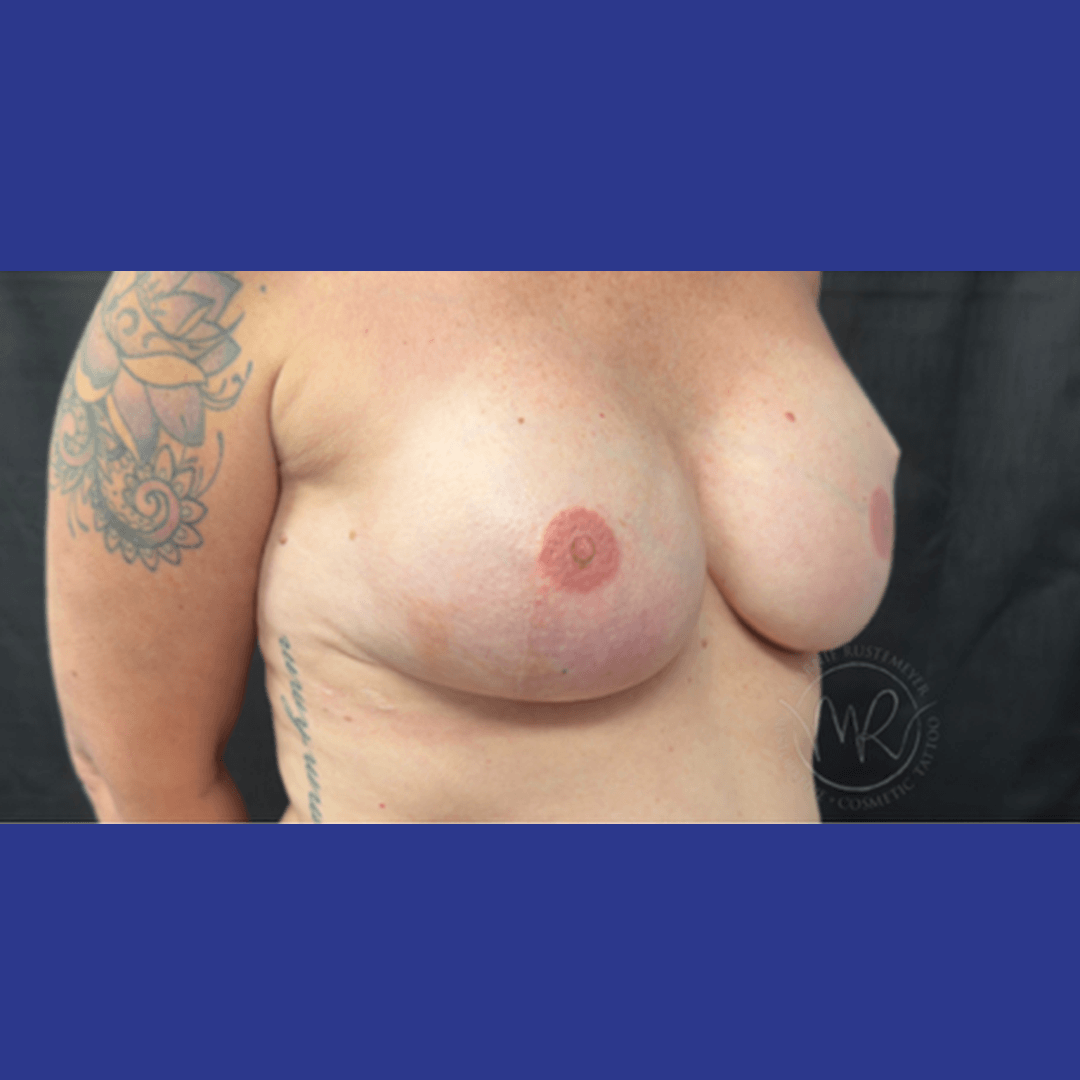
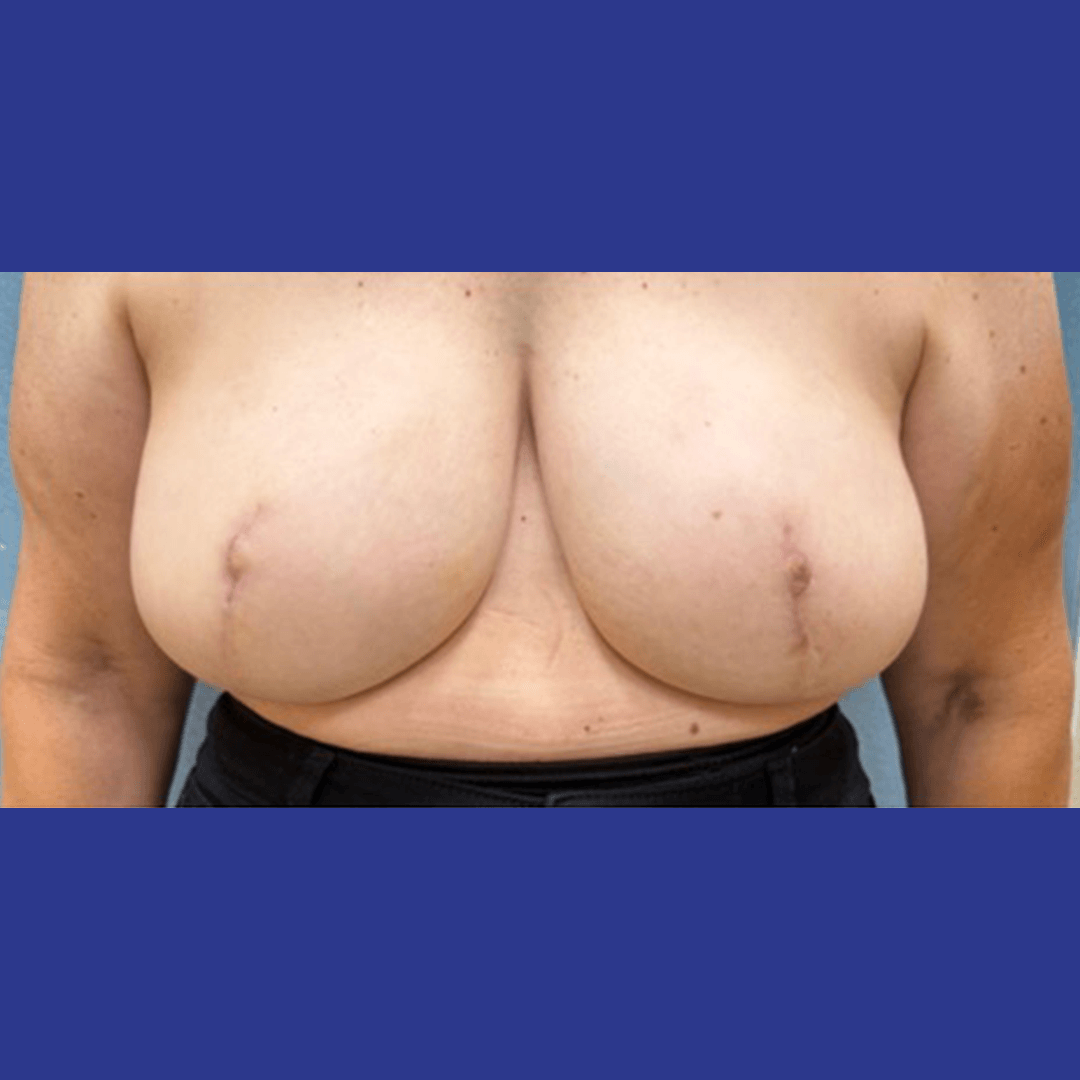
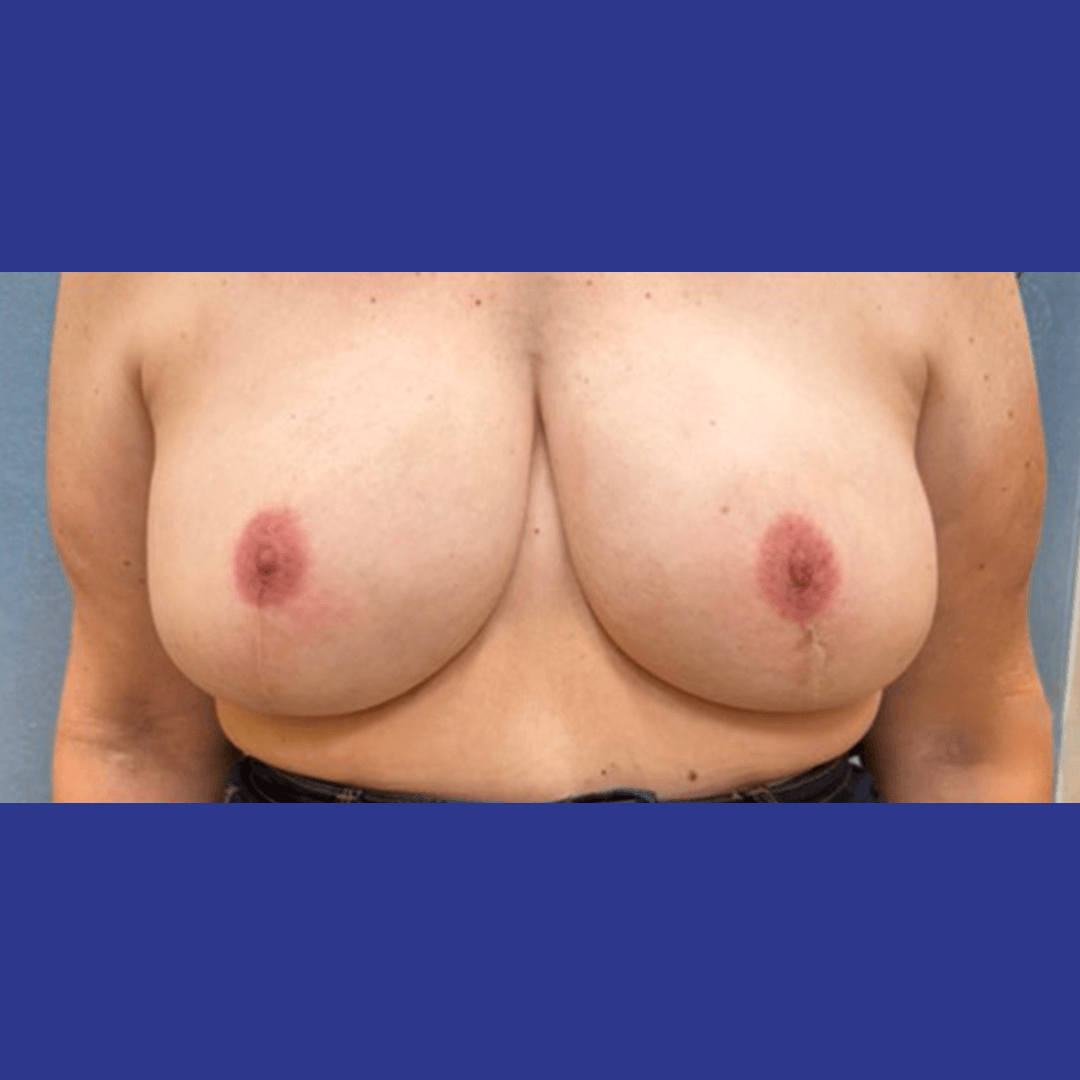
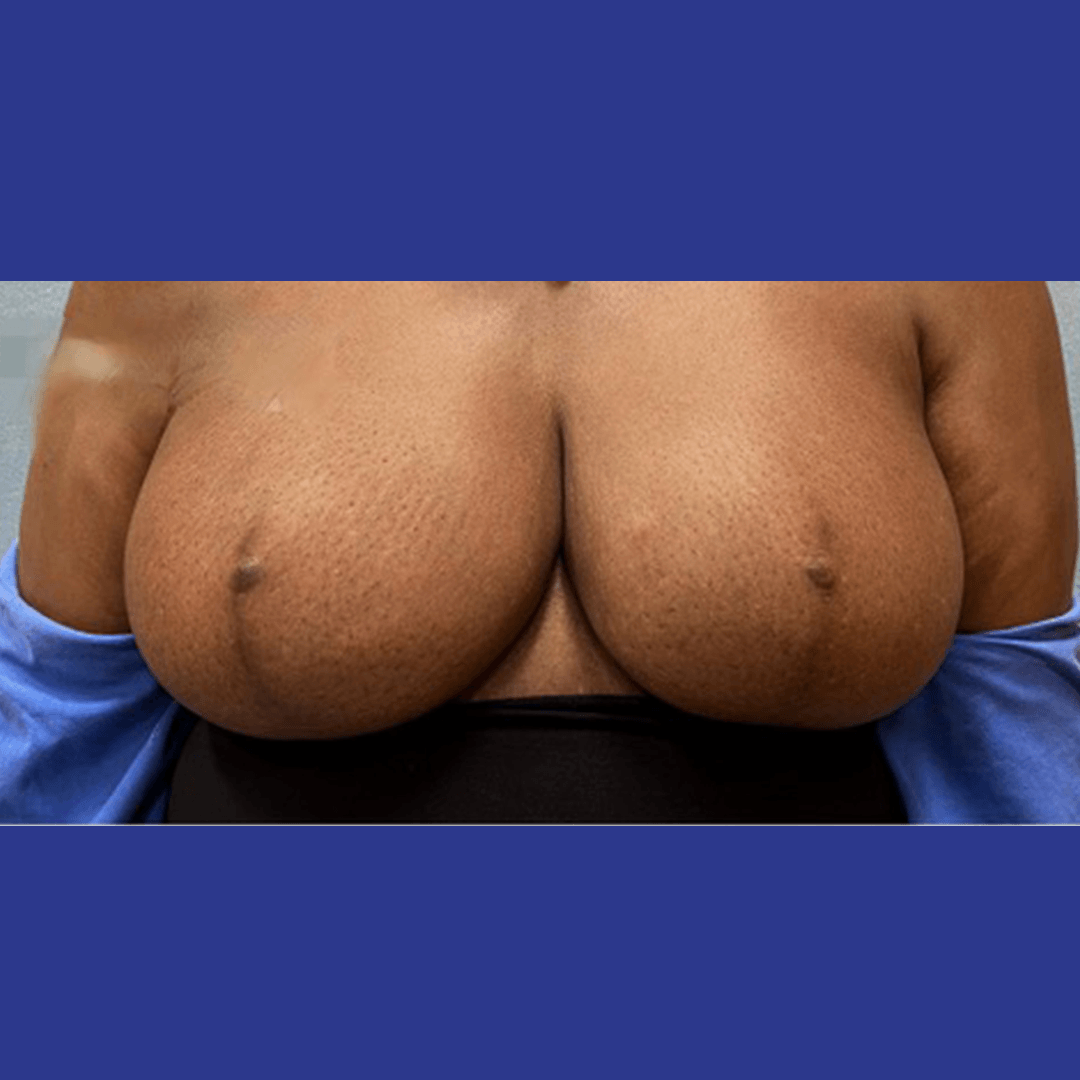
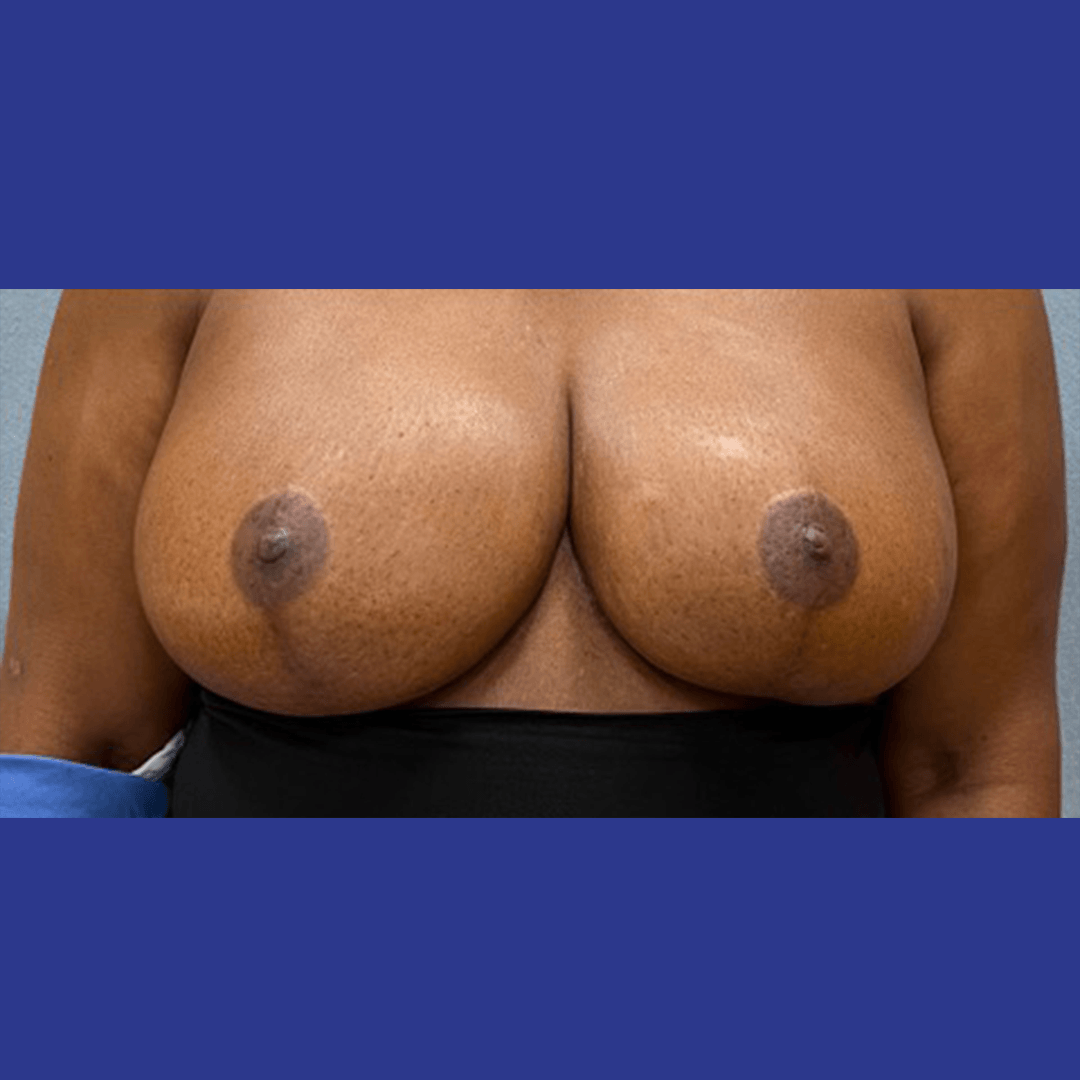
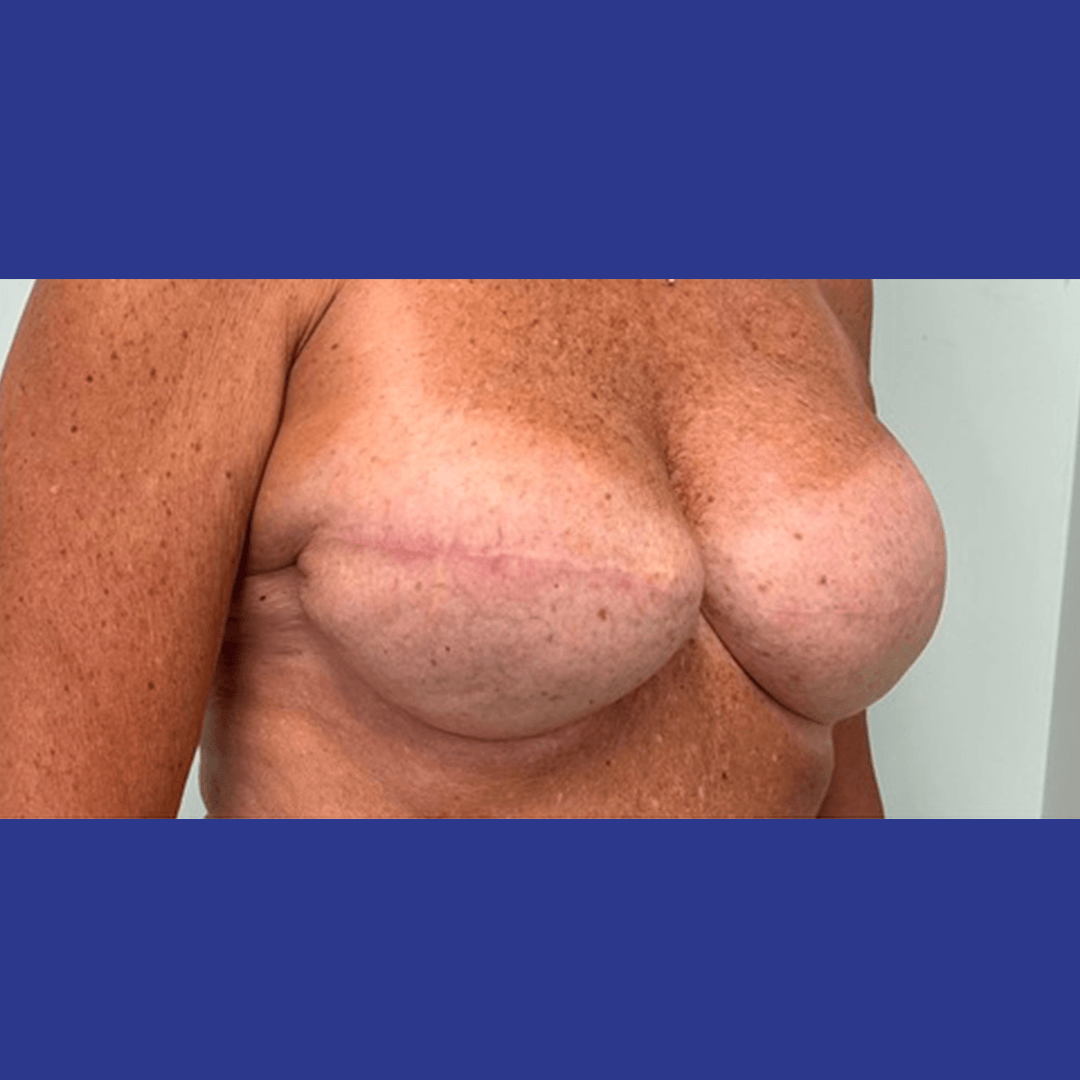
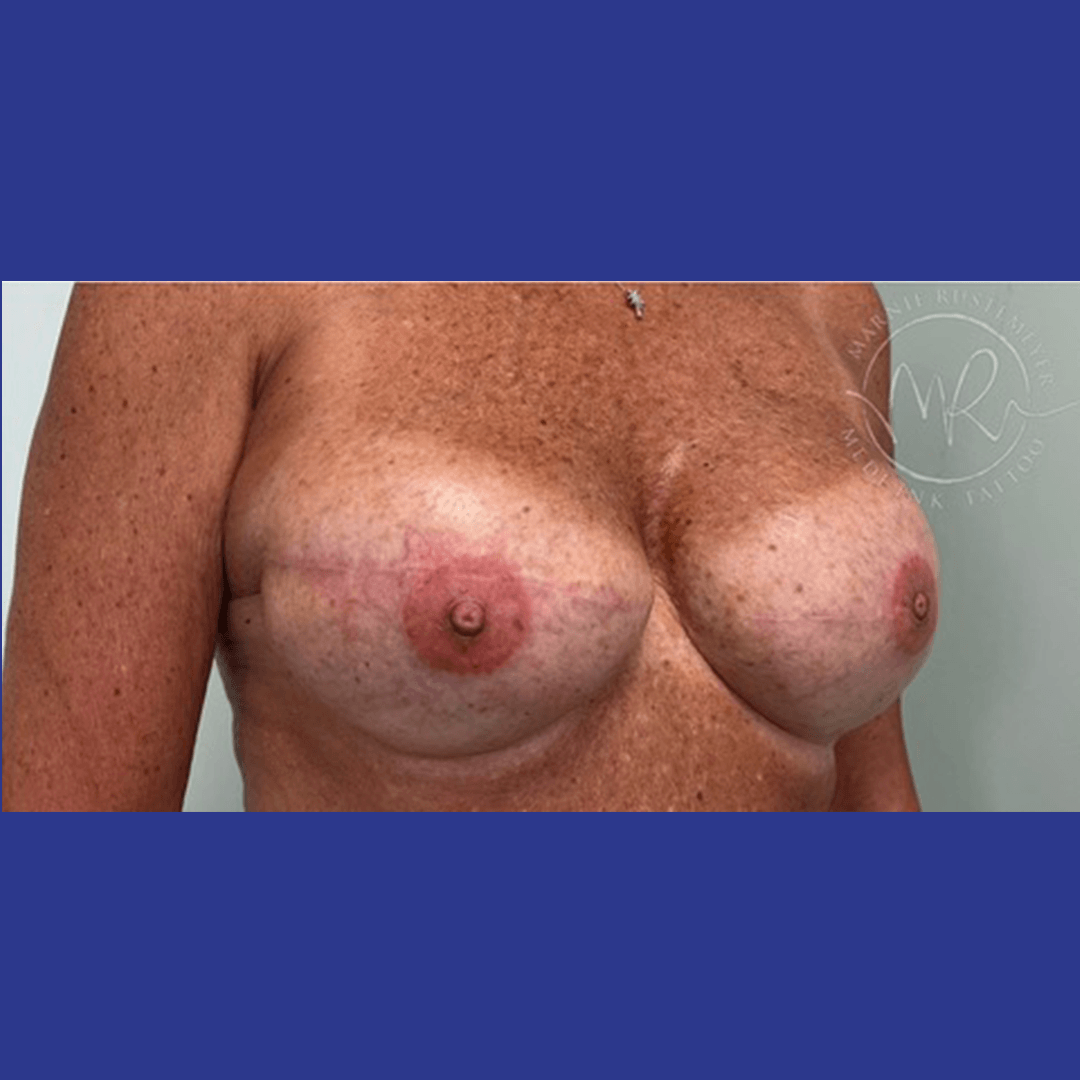
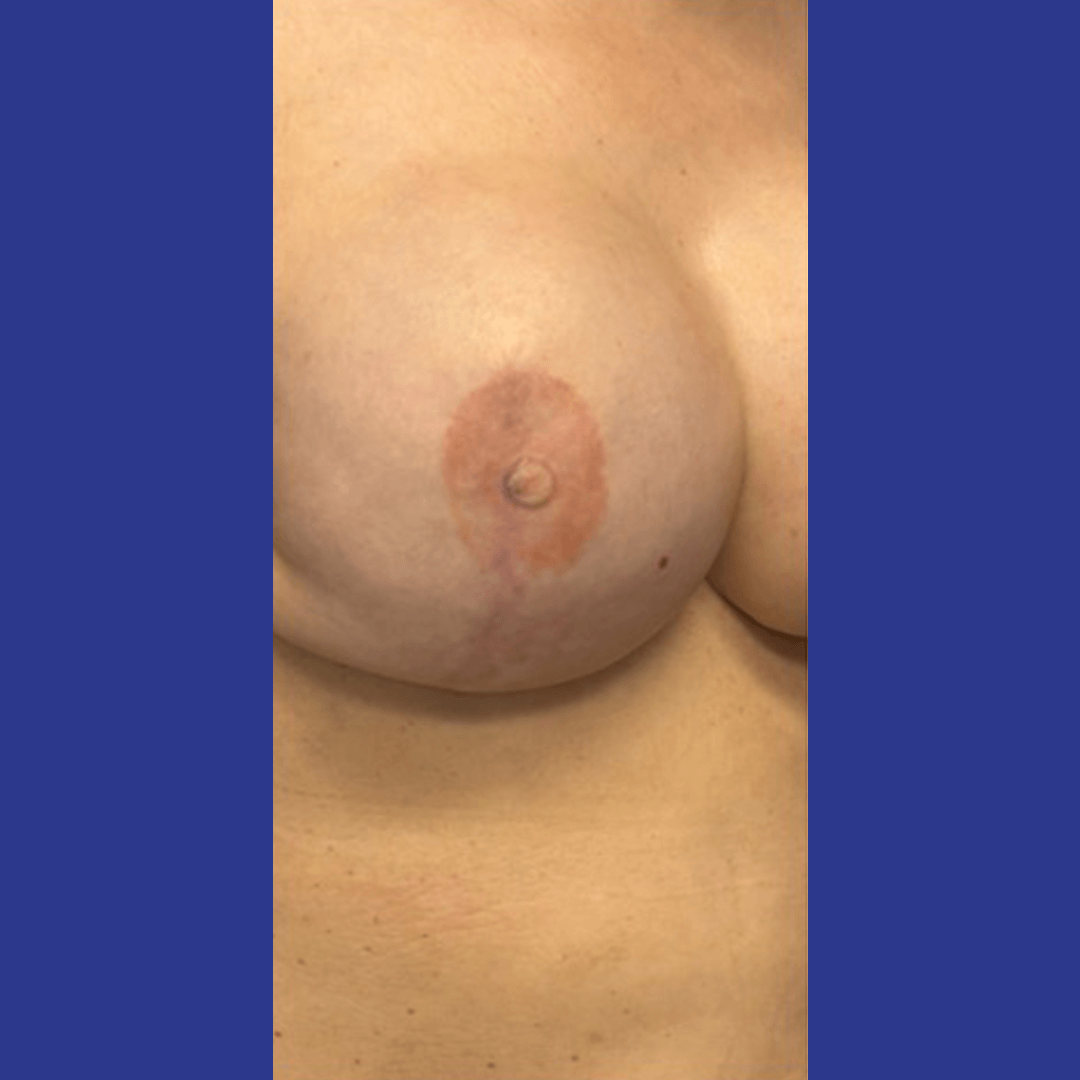
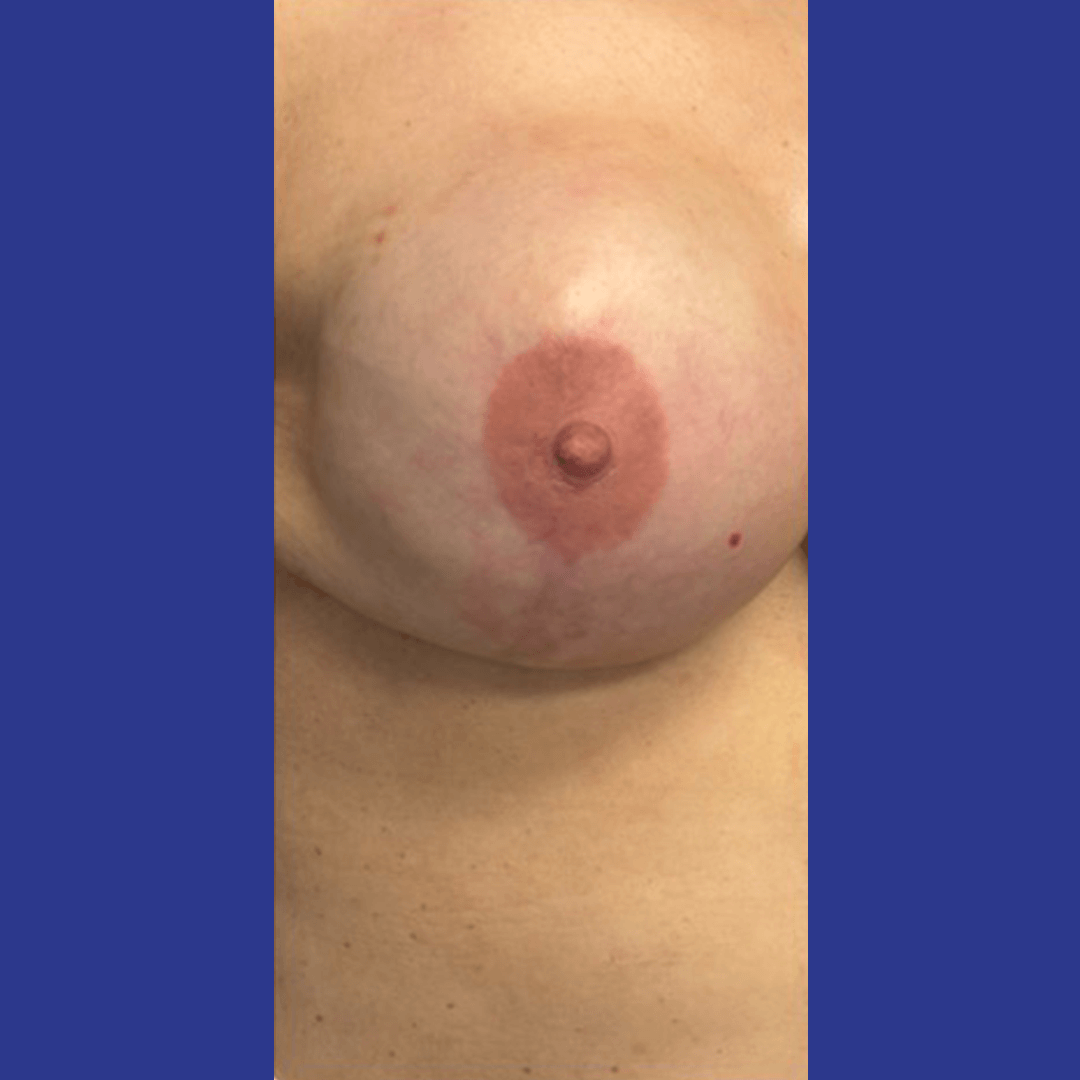
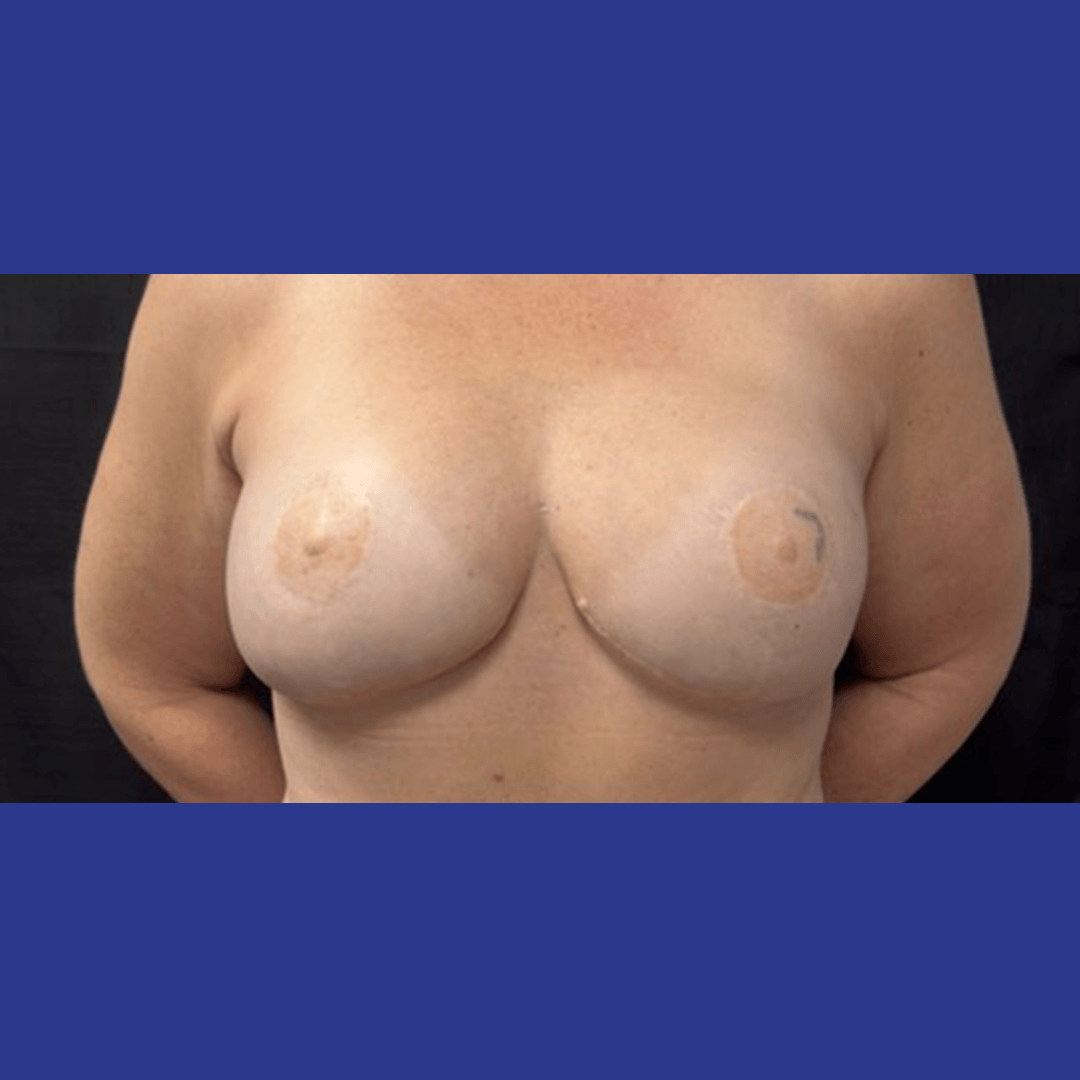
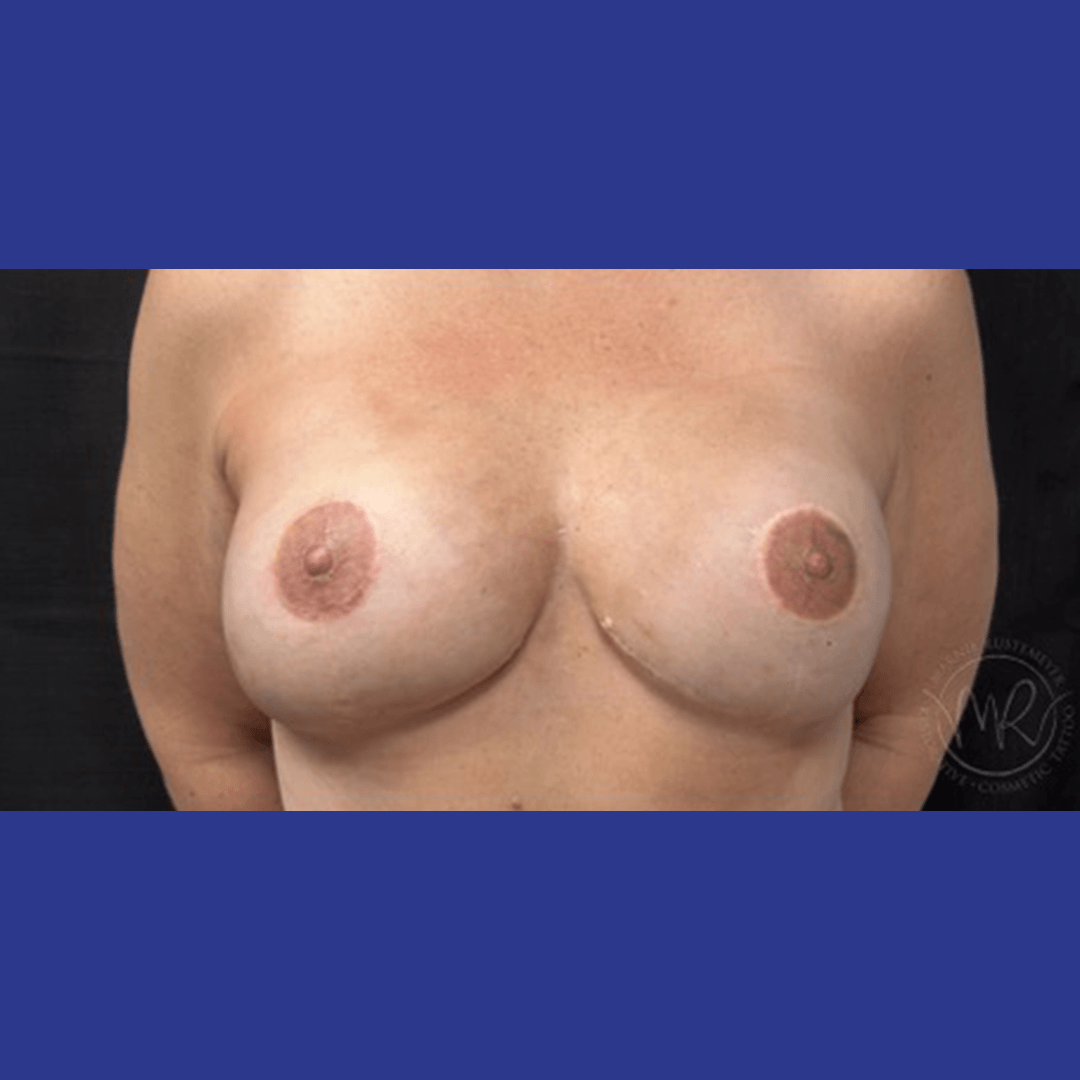
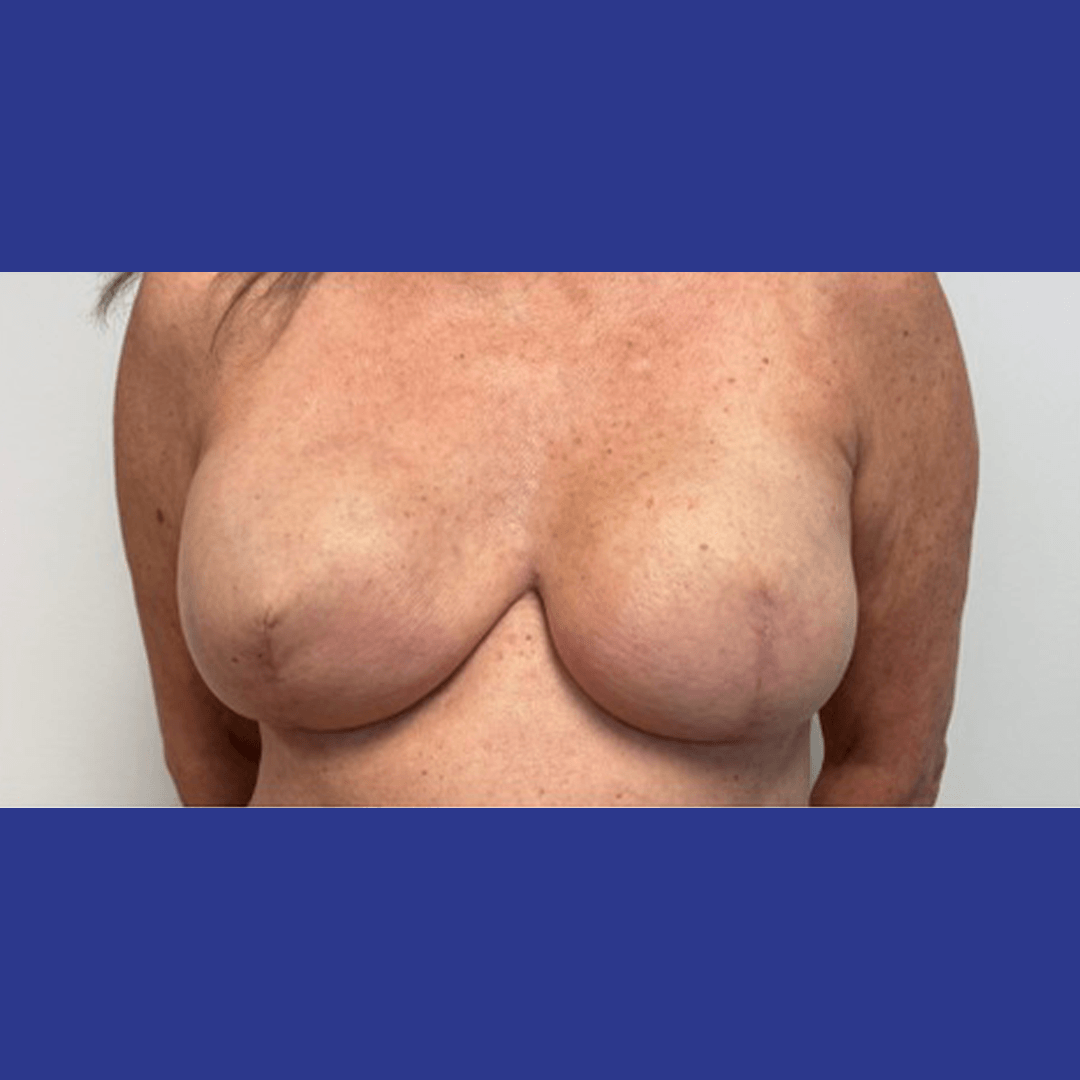
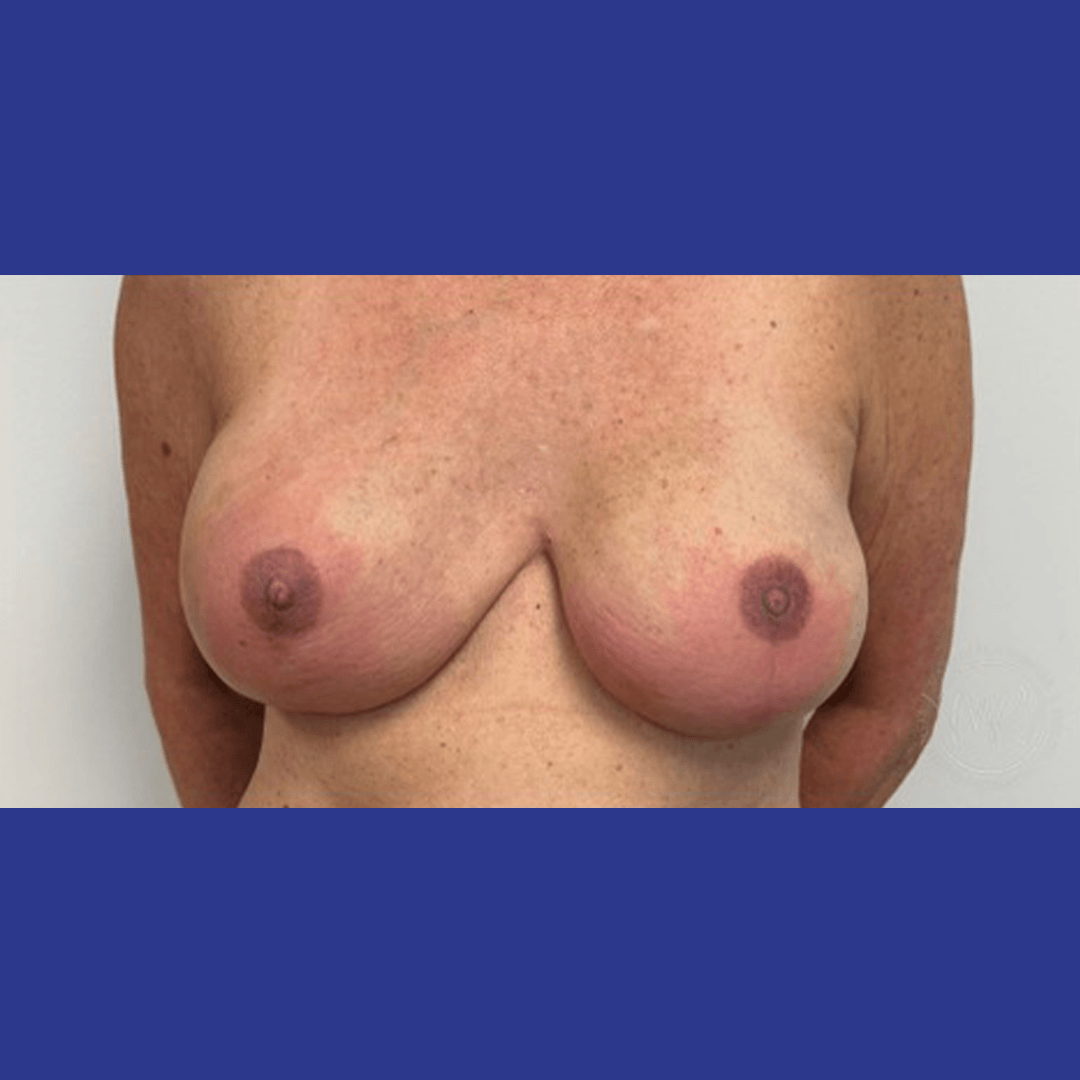
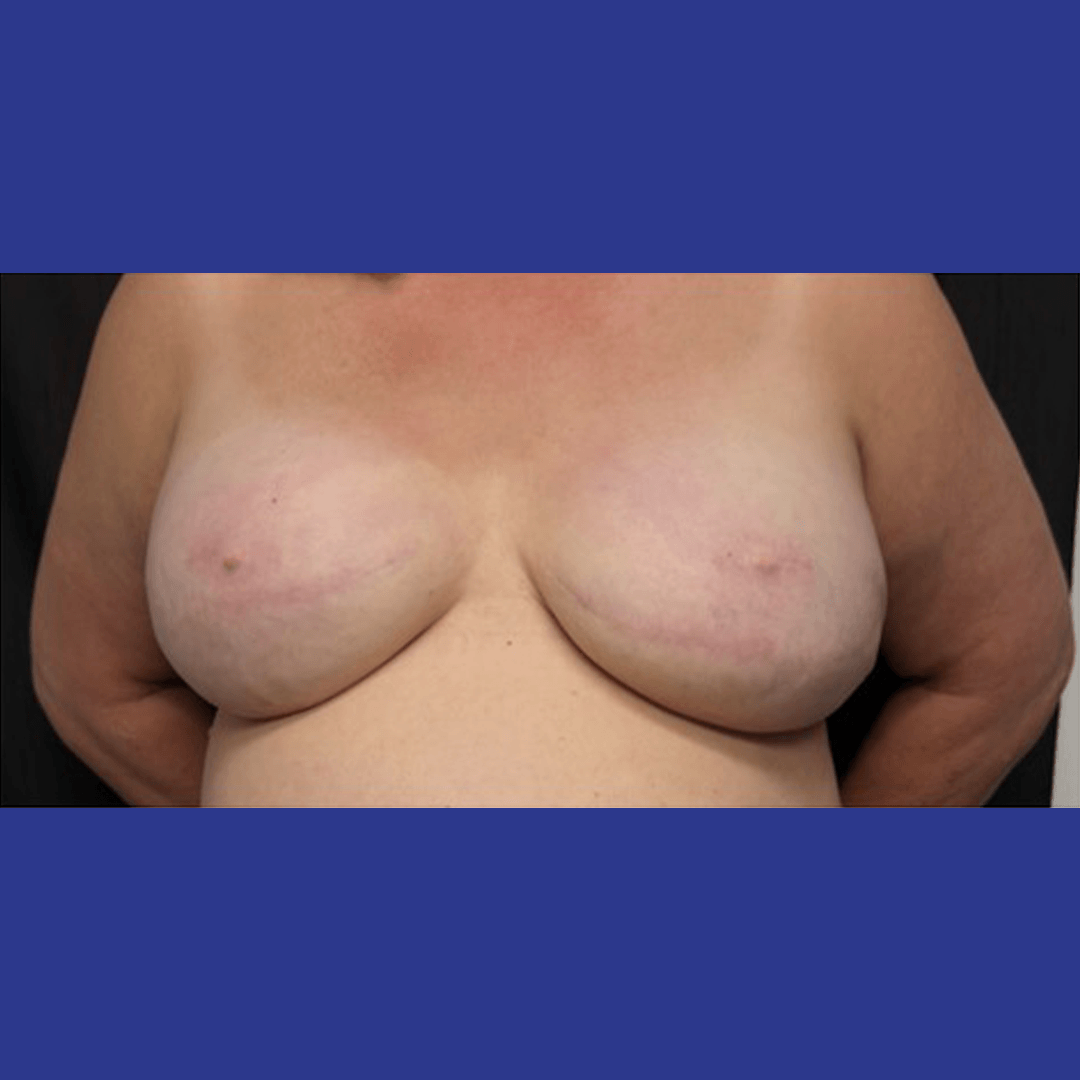
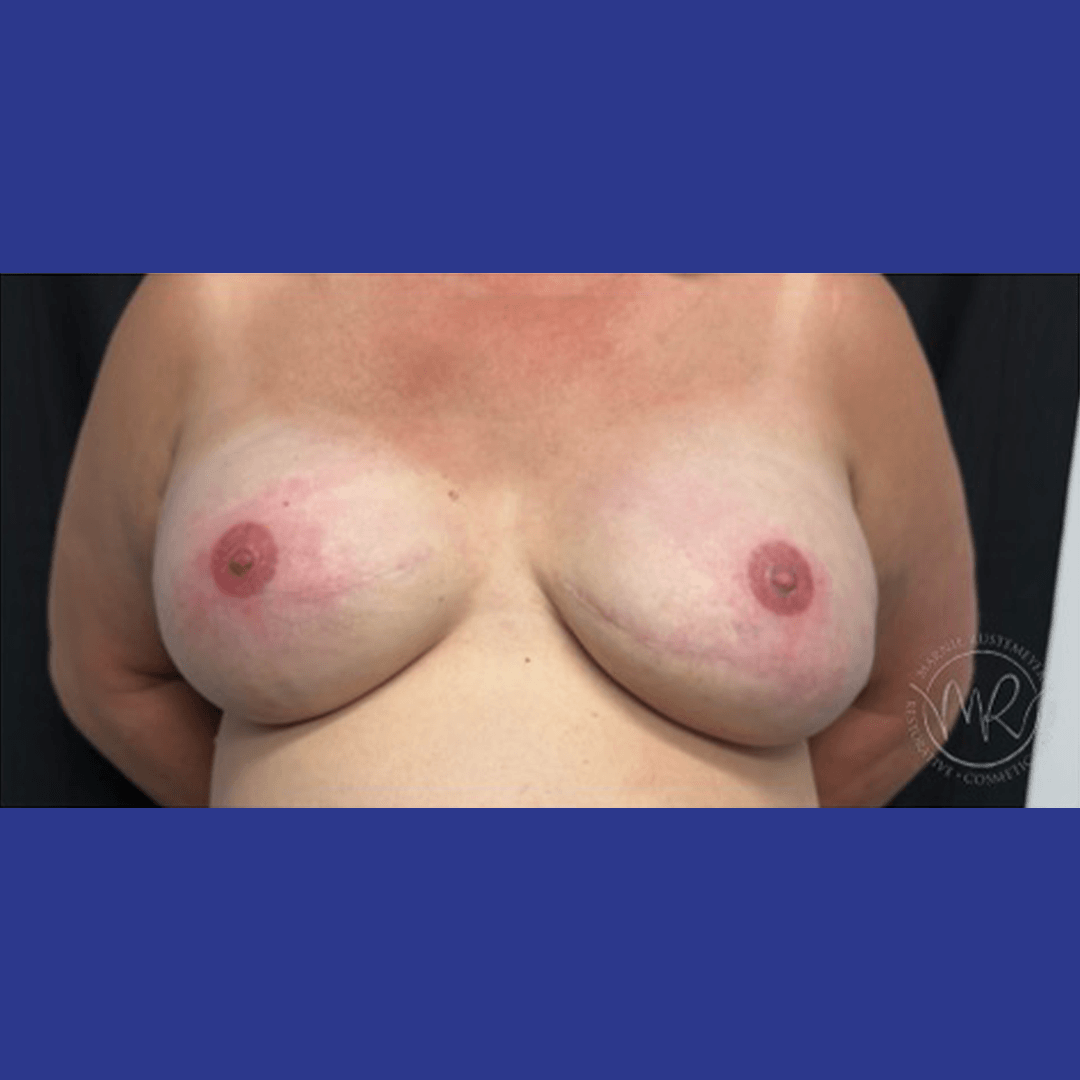
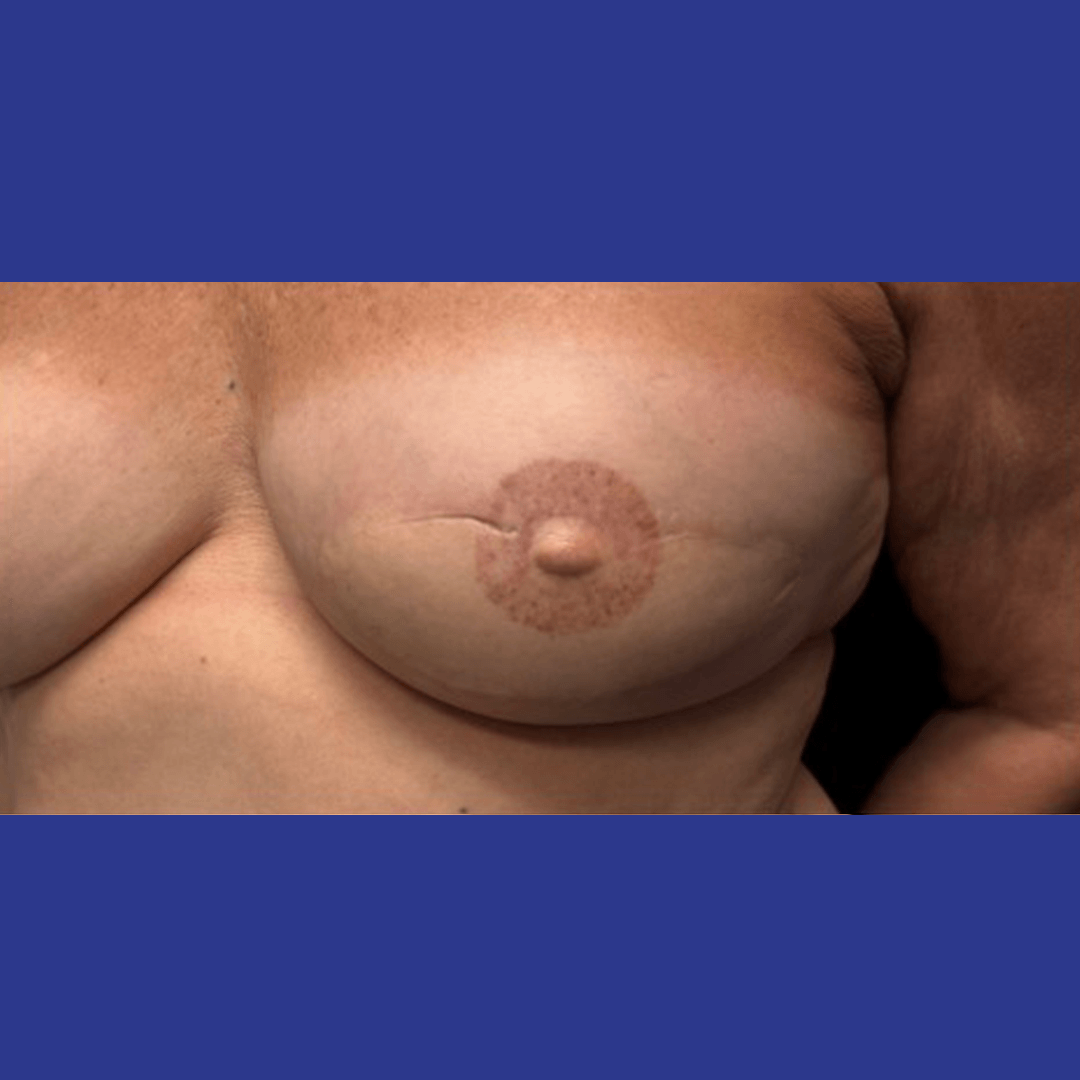
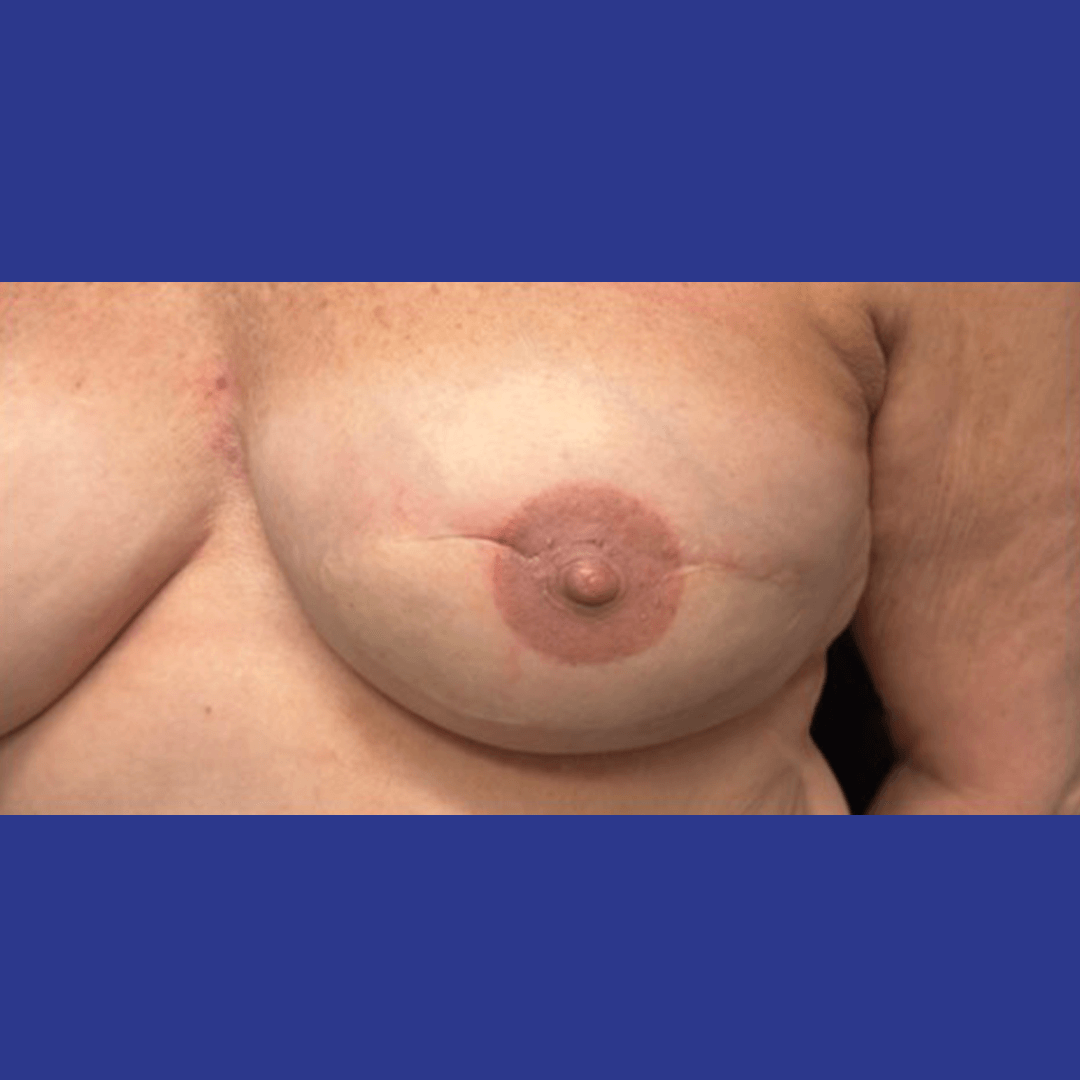
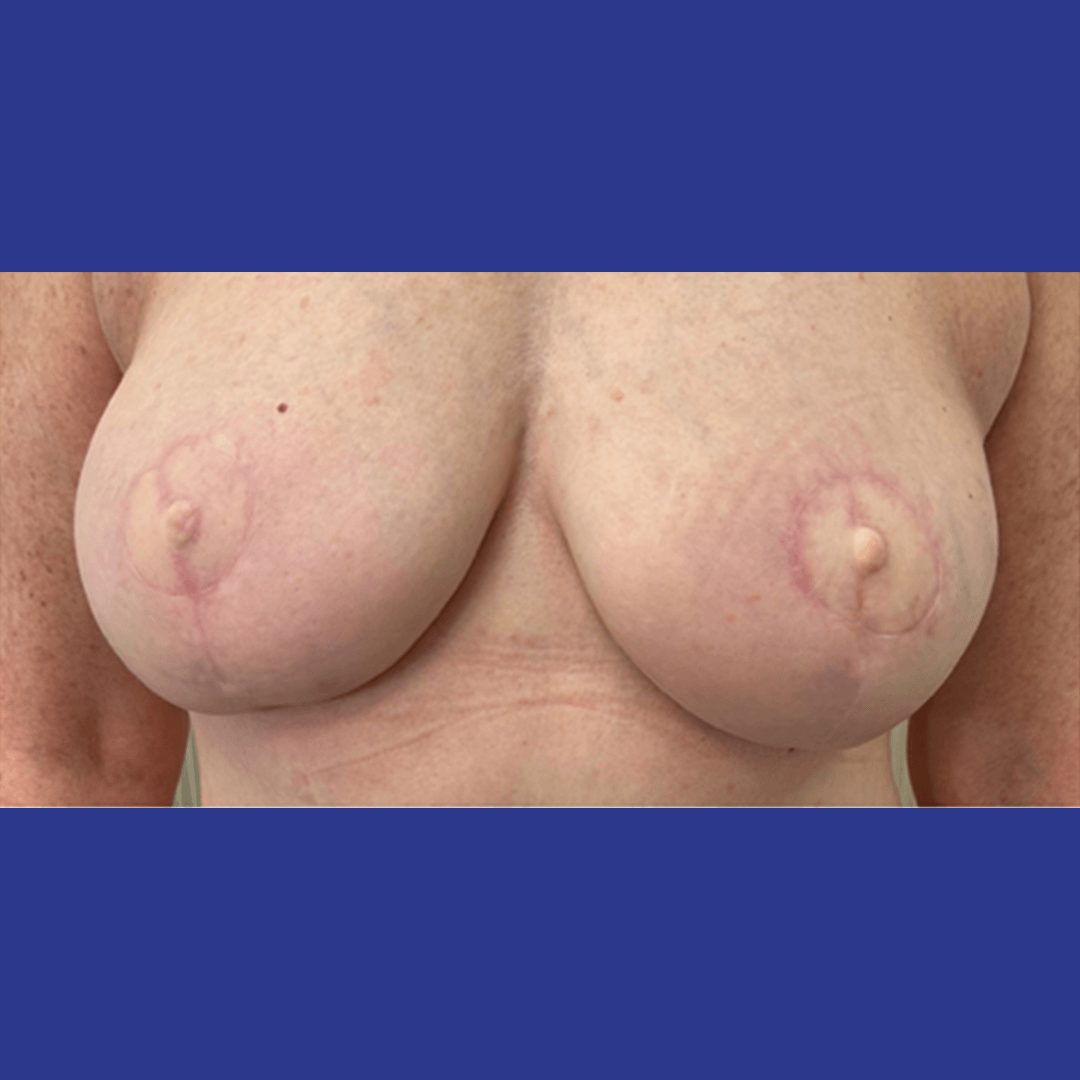
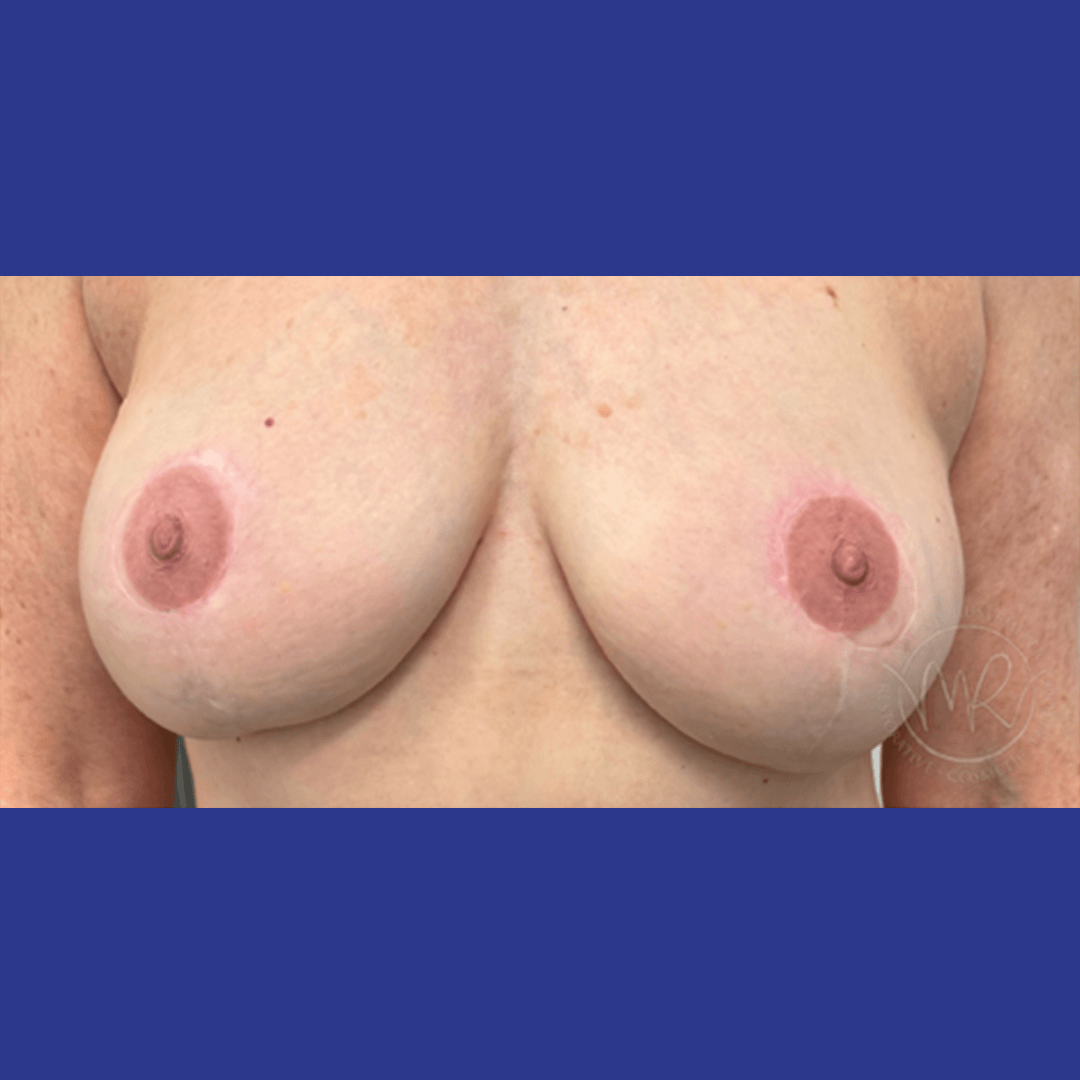
Restorative tattooing is not one procedure, it's a set of specialized techniques matched to what a patient needs. Marnie works with each patient one-on-one to determine which combination of the services below fits the outcome they're looking for.The final aesthetic step in breast reconstruction. Using layered pigment and shading technique, Marnie creates the illusion of a natural, dimensional areola and nipple on reconstructed breast tissue. For patients who have chosen not to pursue surgical nipple reconstruction — or who want a subtle, symmetrical finish afterward — 3D restoration provides a natural-looking result without additional surgery. Ideal for patients who have completed unilateral or bilateral reconstruction after mastectomy, with or without prior surgical nipple reconstruction.
Pigment matching to soften the appearance of scars once they have fully healed. Scar camouflage works well for hypopigmented (lighter than surrounding skin) surgical scars, trauma scars, and self-harm scars — anywhere skin has healed a different color than the tissue around it. The technique blends the scar back toward the patient's baseline skin tone so it reads less visibly in everyday light. Best results are seen on stable, mature scars — typically twelve months or more from the original injury or procedure.
For patients living with vitiligo, hypopigmentation, or other pigment irregularities, restorative tattooing offers a way to restore color to areas where it has been lost. This is not a treatment for vitiligo — the underlying condition is managed by a dermatologist — but it can provide a lasting cosmetic solution for patients who want to reduce the visible contrast between affected and unaffected skin. Every plan is customized to the individual's specific pigment, pattern, and goals.
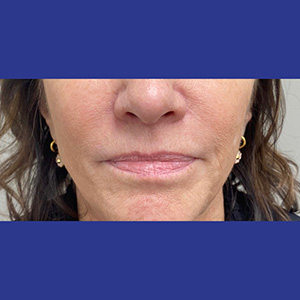
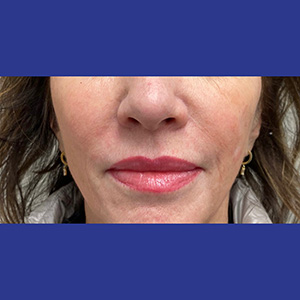
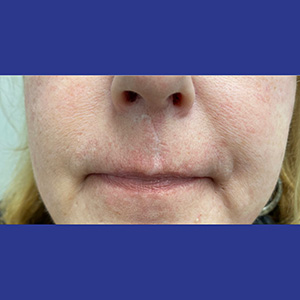
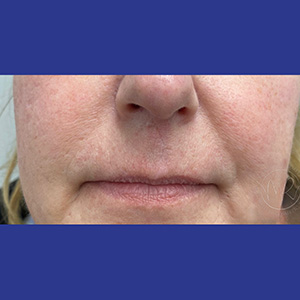
Precision pigment work to restore color and definition to the lips after cleft lip repair, trauma, or age-related pigment loss. Marnie's restorative lip technique focuses on natural symmetry and a tone that reads as skin, not makeup. Her experience in this specialty includes international mission work restoring lips for cleft patients through Operation Smile.
Am I a Candidate for Restorative Tattooing?
Most adults who have completed their surgical care and reached a stable point in their healing are candidates for restorative tattooing. Because pigment is deposited into skin, the tissue needs to be settled. Typically at least three to six months out from a surgical procedure, and twelve months out for scar work. During consultation, Marnie will confirm timing based on your specific history.
You may be a candidate if you:
- Have completed breast reconstruction and are considering nipple/areola restoration
- Have a healed surgical, trauma, or self-harm scar that has stabilized in appearance
- Are living with vitiligo, hypopigmentation, or pigment loss and want to restore color
- Have completed cleft lip repair or experienced lip pigment loss
- Are in good general health, not pregnant or breastfeeding, and not actively receiving chemotherapy or radiation to the treatment area
If your history is more complex — for example, if you're on immunosuppressive therapy, have a history of keloid scarring, or have had prior tattoo work in the same area — Marnie will review the details with you and coordinate directly with your surgical team when needed.
Questions
about this procedure?
What to Expect
Your visit will typically include:
- A one-on-one consultation and treatment plan review
- Custom pigment matching against your natural skin, areola, or lip tone
- The tattooing session in a private in-office suite
- Written aftercare instructions and direct-contact follow-up
- A refinement visit six to eight weeks later to finalize color
Your first appointment starts with a consultation. Marnie will review your medical and surgical history, look at the area you want to restore, and walk you through what's realistic for your skin type and healing history. Together, you'll agree on placement, color, and the number of sessions your plan will require.
The tattooing itself is done with a topical numbing agent, no sedation needed. Session length varies by service: a 3D areola typically takes 60 to 90 minutes per side, scar camouflage varies with the size of the treatment area, and restorative lip work is generally completed in a single 90 to 120-minute session.
You'll receive detailed aftercare instructions before you leave and a scheduled follow-up six to eight weeks later. That second visit is when Marnie refines color, evens out any settling, and finalizes the result.
What Makes Restorative Tattooing Different
Restorative tattooing is not new, but it is rarely offered inside a plastic surgery practice. Most patients we see have been searching for someone with both the artistry and the medical context to do this work well. That's what we've built here.- A board-certified restorative tattoo specialist, not a cosmetic tattooist. Marnie is dual-certified by the American Academy of Micro-pigmentation (AAM) and the Society of Permanent Cosmetics Professionals (CPCP), with over eight years of restorative practice.
- Medical context, not a walk-in studio. Your restorative work is done inside The Plastic Surgery Center, in coordination with the reconstructive team when appropriate. If your case involves ongoing surgical care, your surgeon and Marnie can align on timing directly.
- A specialty focus, not a side service. Marnie's entire practice is restorative work — 3D areola, scars, pigment loss, and lip restoration. It's not a menu item; it's the work.
- Community-rooted expertise. Marnie serves as a Medical Advisor for Breast Reconstruction Org and Learn Look Locate, and has contributed her work internationally through Operation Smile.
Financing & Insurance
Coverage for restorative tattooing varies by service and by insurance carrier. Nipple and areola restoration following a mastectomy may be covered under the federal Women's Health and Cancer Rights Act (WHCRA); our team will verify your benefits before your appointment and let you know what to expect out of pocket.
Scar camouflage, vitiligo restoration, and cosmetic lip work are generally out-of-pocket procedures. Pricing is discussed during your consultation, once Marnie has assessed the area and the number of sessions your plan will require.
Our Process
During your consultation, Marnie will listen to what you're looking to restore, review your medical and surgical history, and evaluate the area to make sure the timing is right for tattooing.
Your Options
Together, you'll review the technique, color, placement, and number of sessions your plan will need. You'll leave with a clear understanding of the process, cost, and expected outcome.
Marnie will guide you through every session and follow-up. Our team is here to answer your questions between visits and coordinate with your surgical care if needed.
Find a Restorative Tattooing Office Near You
Second Floor, Suite 201 Glen Rock, NJ 07452
First Floor, STE 200 Red Bank, NJ 07701
Finish the Chapter, On Your Terms
Restorative tattooing is a personal decision made at a personal moment. When you're ready to talk it through, our team is here.